

Why Every Business Needs a Conversion-Optimized Website in 2026
Having a website in 2026 is no longer a luxury. Nowadays, a website is a basic necessity for every business, no matter how big or small!
However, having a website is not enough. The real question is: Does your website bring customers, or does it simply look good?
Almost every business has a website, but many struggle when visitors arrive and nobody makes a call, submits an enquiry or purchases a product. This often happens because the website is not conversion-optimised.
In this blog, we will explore in detail why every business needs a conversion-optimised website in 2026.
What Is a Conversion-Optimized Website?
A conversion-optimised website is designed to encourage visitors to take specific actions. These actions may include making a phone call, filling out a contact form, purchasing a product, booking an appointment or sending a WhatsApp message.
Without a doubt, your website acts as your online storefront. If people visit your website and leave without taking any action, there may be something wrong with its design, content or user experience.
A well-optimised website guides visitors, answers their questions and makes it easier for them to become customers.
Why Is Having a Website Important in 2026?
Over the past few years, consumer behaviour has changed significantly. Websites have become an important source of information for businesses, products and services.
Nowadays, people are more likely to search for products and services online before making a purchasing decision rather than visiting stores without prior research.
With easy access to information, consumers can find answers within seconds. This shift has encouraged businesses to adapt their marketing strategies to match modern search behaviour.
If your business is not visible and properly optimised online, potential customers may simply choose your competitors.
If you want to increase your revenue, having a professional website is essential. But is having a website alone enough? Not really!
Building a successful website requires time, planning and the right strategy. A professional website allows you to showcase your business, explain your services and build customer trust.
Having a website is one of the strongest tools you can use to establish your online presence and stand out in the market.
People Have Less Time and Less Patience
In today's fast-paced world, people are busy and expect quick answers. They scroll quickly and don't want to waste time searching for information.
If your website is slow or confusing to navigate, visitors may leave within seconds.
A conversion-optimised website focuses on:
Fast loading speed.
A user-friendly interface.
Clear and easy-to-understand content.
Simple navigation.
Visible calls to action (CTAs).
It helps businesses hold visitors' attention, improve user experience and build trust.
Your Website Works Even When You Sleep
Your website works around the clock, even when your business is closed.
People can find your business on Google, explore your services and contact you at any time, even at midnight.
However, if your website doesn't guide visitors properly, you may miss valuable business opportunities.
A conversion-optimised website can generate enquiries and potential leads automatically by providing clear information, contact options and easy-to-use forms.
Mobile Users Are Everywhere
More and more people use their smartphones to search for products and services.
People browse websites while travelling, sitting at home or even standing in a queue. That's why having a mobile-friendly website is essential.
If your website doesn't open or function properly on mobile devices, visitors may leave and look for alternatives.
A conversion-optimised mobile website should offer:
Easy scrolling and navigation.
One-click calling and messaging options.
Mobile-friendly layouts.
Clearly visible buttons.
Simple enquiry forms.
These features make it easier for users to explore your website and contact your business without any difficulty.
Trust Is Very Important Today
People don't trust businesses easily. Before making a decision, they often look for proof, reliability and credibility.
A conversion-optimised website helps build trust by including:
Clear information about your products and services.
Genuine photos and videos.
Accurate business contact details.
Customer reviews and testimonials.
Relevant business information.
When visitors trust your website, they are more likely to trust your business.
Building customer confidence can improve enquiry rates and increase the chances of generating sales.
Good Design Is Not Just About Looks
Many websites look stunning and attractive but fail to generate meaningful business results.
A conversion-optimised website focuses on more than just visual appearance. It prioritises user experience and encourages visitors to take action.
Important elements include:
Easy website navigation.
Proper heading structure.
Short and engaging sentences.
Clearly visible CTAs.
Well-organised content.
Strategically placed contact forms and buttons.
Everything should be positioned in a way that helps visitors move forward, whether they want to contact your business or purchase a product.
Saves Money on Ads
Online advertising can be expensive. If you run Google Ads or Meta Ads, every click can cost you money.
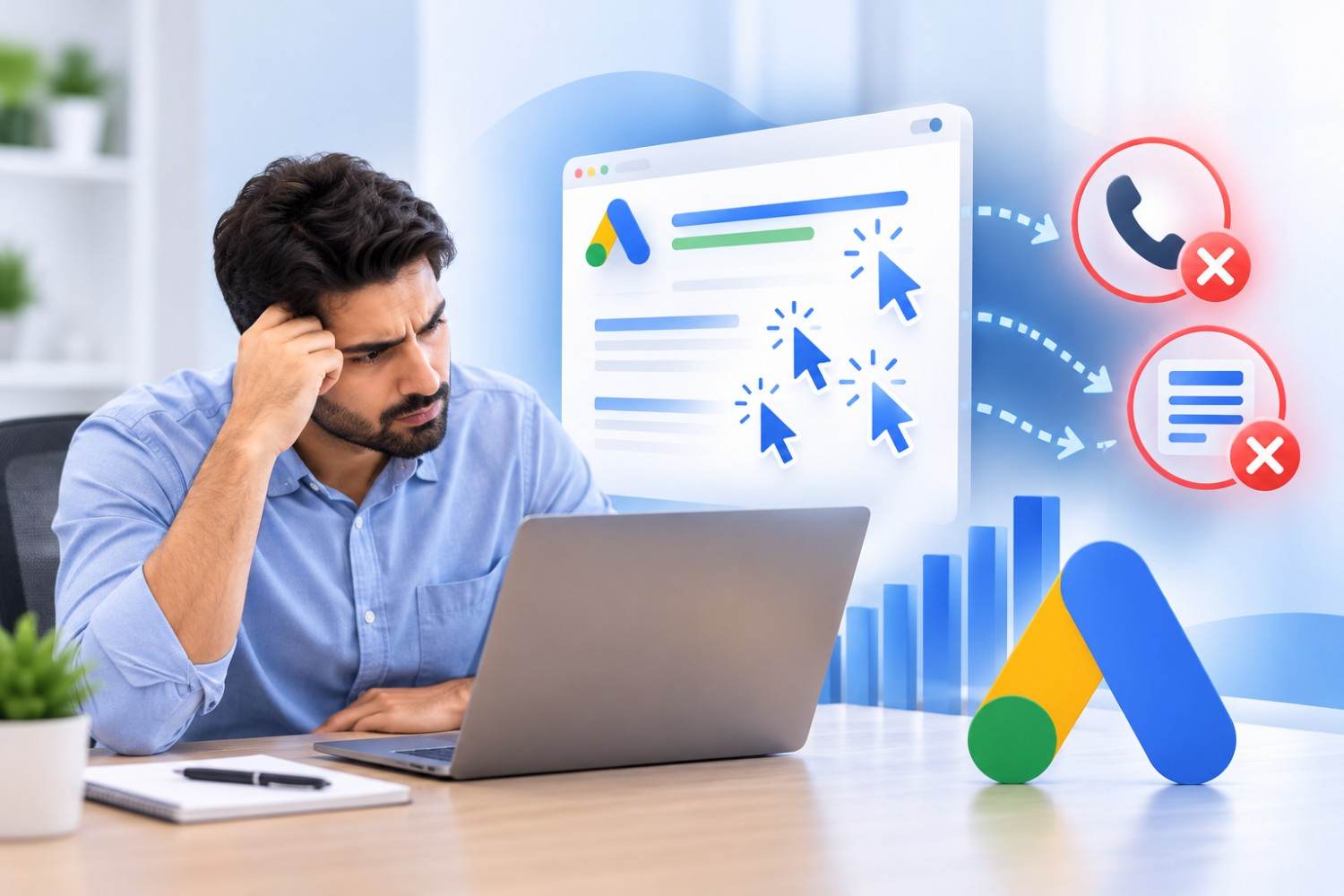
If your website is not properly optimised, visitors may click on your advertisements, visit your website and leave without taking any action.
This can result in wasted advertising spend.
When your website is conversion-optimised:
More visitors have the opportunity to become leads.
Conversion rates can improve.
Cost per lead can decrease.
Advertising campaigns can deliver better results.
This means you can get more value from your advertising budget without necessarily increasing your spending.
Helps Small Businesses Compete with Big Brands
Large companies often have bigger advertising budgets, but small businesses can compete more effectively with a smart online strategy.
A conversion-optimised website helps small businesses present themselves professionally, attract potential customers and turn website visitors into loyal customers.
Even a small business can build a strong presence in a competitive market when its website is simple, informative and focused on customer actions.
Data Helps You Improve
A conversion-optimised website also helps you understand your customers better.
Using tools such as Google Analytics and other website tracking solutions, you can learn:
Which website pages receive the most visits.
Where visitors leave your website.
Which services attract the most attention.
How users interact with your website.
Which pages generate the most enquiries.
These insights help you identify improvement opportunities and make better decisions to strengthen your website's performance.
Final Thoughts
Why does every business need a conversion-optimized website in 2026?
The answer is simple: a website should do more than create a good first impression. It should help build brand credibility, attract potential customers and generate business opportunities.
A well-designed and conversion-optimised website can improve user experience, increase enquiries and work for your business 24/7.
If your website only looks good but doesn't deliver results, it's time to improve it.
Focus on creating a website that not only attracts visitors but also turns them into customers.